

Making Meetings Matter
It begins with the proper design.

We have all been through the experience of a poorly designed meeting or conference. Lifeless agenda (if any), uncertain goals, unclear invitation list, lack of deliverables... the list is endless. Last week, I had the privilege of experiencing the exact opposite.
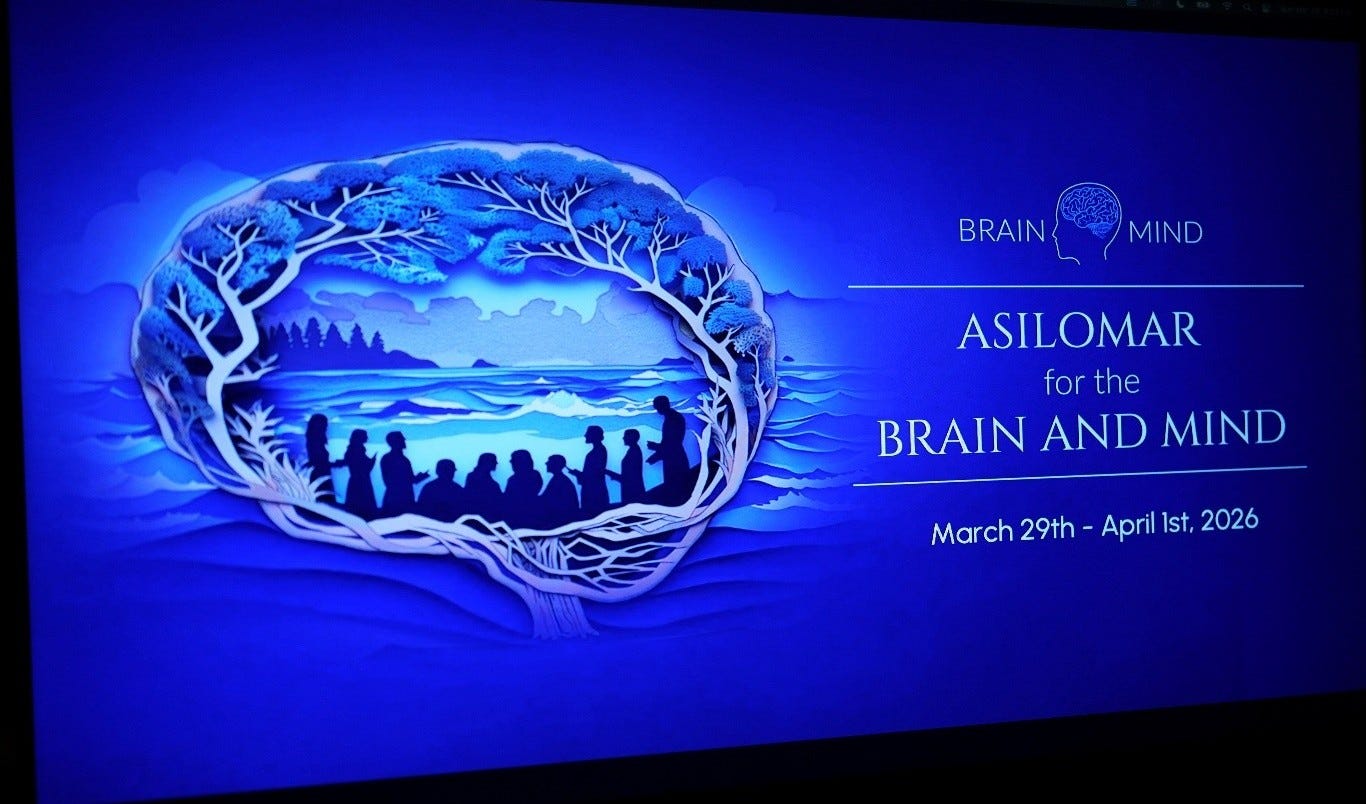
Asilomar for the Brain and Mind is a 3-day convening of founders, funders, policymakers, and beneficiaries of advances in neuroscience and artificial intelligence. It was a hallmark of brilliant design, clear focus, and excellent execution.
I want to share with you some of the principles the organizers used so you can apply them to your next meeting, whether it’s an hour or a week.
Here’s what the BrainMind team did before, during and after this stellar meeting.
Before: Site selection, invites, and prep.
The location, Asilomar Conference Center near Monterrey, California, was the site of another meeting a half-century ago in 1975, where leaders in the nascent field of genetics gathered for a similar purpose. Those attendees used their time on this hallowed ground to set clear ethical guidelines for genetics, which continue to guide the field today. On the shoulders of these ancestors, we crafted principles and guidelines for ethical decision-making, research and entrepreneurship in the field of neuroscience. Neuroscience has been massively accelerated and changed with the growth of AI.
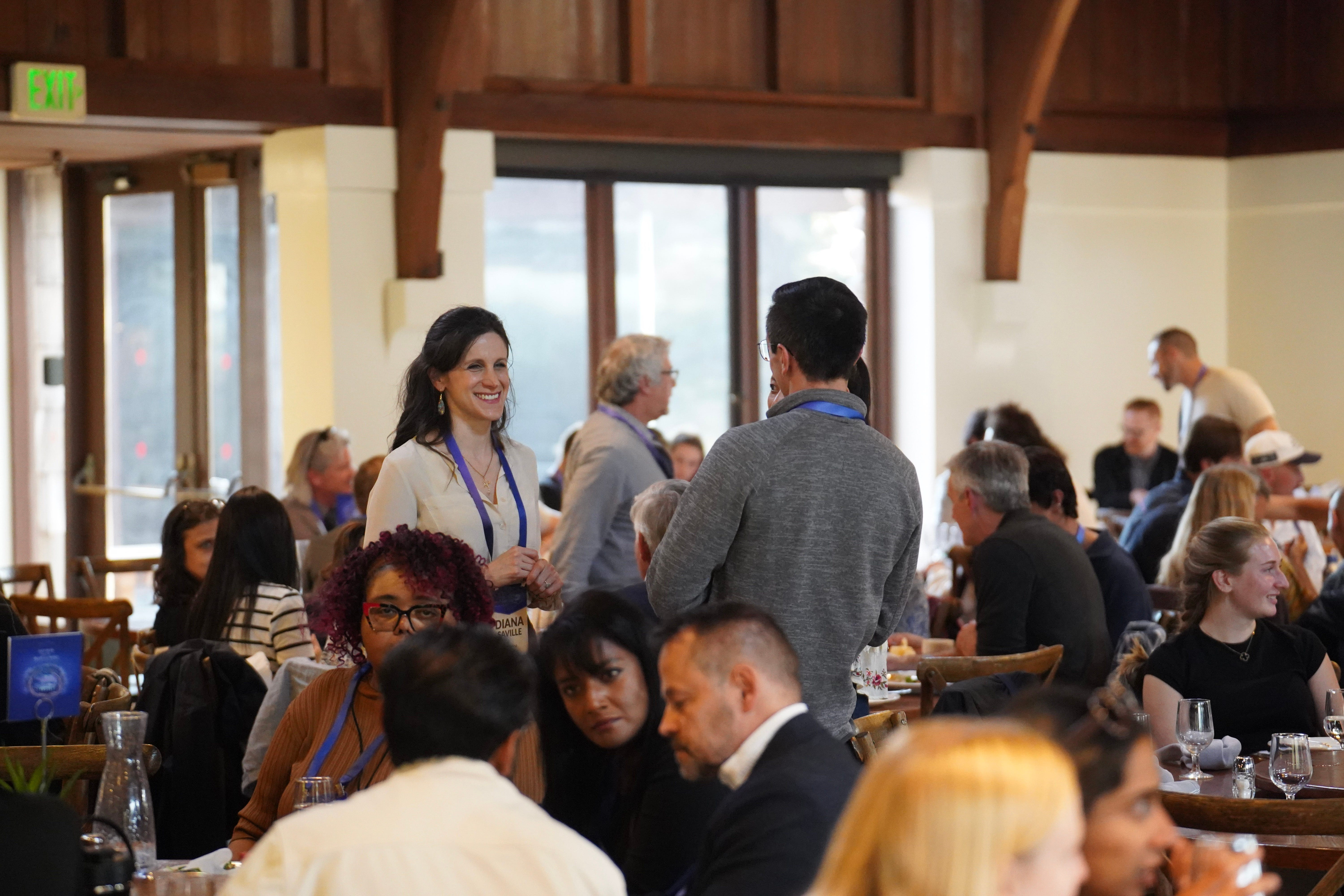
Diana Saville, co-founder and president of BrainMind, was intentional about the invitation list and had prior individual conversations with everyone, over 250 of us. She determined our commitment level and gauged our exuberance for the task at hand. She carefully selected seven pairs of leaders to facilitate multi-hour breakouts on the ethics of neuroscience. She reminded us often that no one leading a workshop had this as their day job. Everybody volunteered to participate.
During: Not a “sit back” conference, but a working meeting.
On Sunday night, Diana reminded us that this was not a typical conference to sit back, take in whatever sessions called to us, and step out whenever we wanted for phone calls or email. We were there to roll up our sleeves and get to work. Based on my gifts, knowledge of the field, and interests, I was assigned to two working groups. But I think I have a sense of what was happening in all the breakouts. The leaders had prepared demonstrations to show us, drafted principles to share, curated examples of best practices, and authored case studies of challenging ethical dilemmas.
Diana and her team thoughtfully designed the meeting’s key events into a three-day arc. In the very first session, Diana also emphasized that we would be deliberating some thorny questions and welcomed disagreement. The schedule was loose, allowing for white space, walks on the beach, yoga in the morning, and informal conversations by the fire pit at night. The overarching message was: our important work could be supported only if we were taking care of ourselves in the process.
While seeking consensus, it was important to include all points of view.
Many current and former patients participated in each discussion, bringing their lived experience with neuroscience products and treatments, and ensuring a perspective from those who would directly benefit from the innovations of these scientists and entrepreneurs. Two individuals with such lived experience even delivered the opening keynote in tandem, sharing their journey “From Shame & Horror to Anger & Hope.”
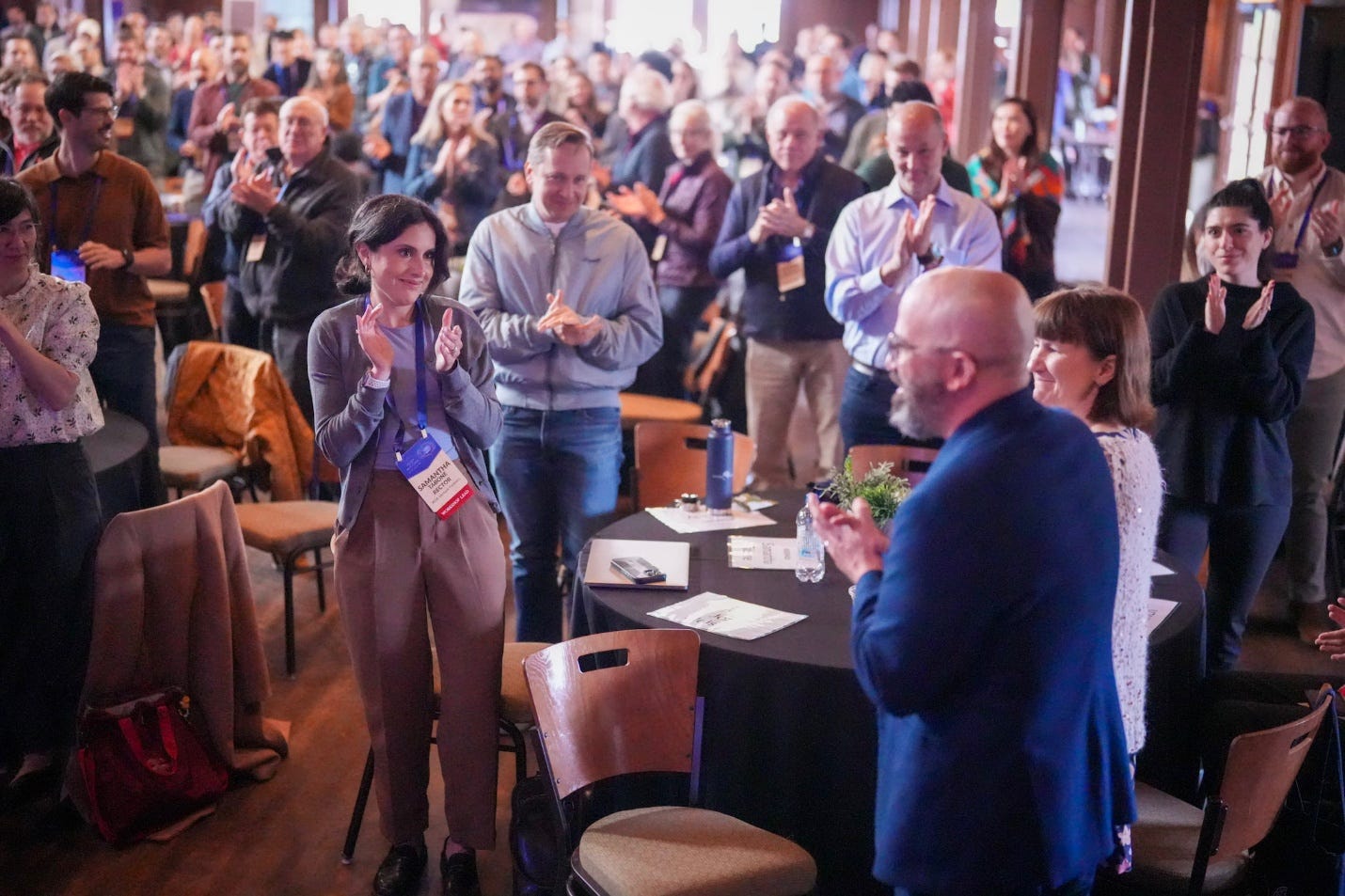
After two days full of rich conversations, our third morning was all about making commitments. All seven working groups reported their initial findings and shared a QR code that anyone present could use to volunteer, share thoughts and insights, or sign up for updates. It was not like a timeshare presentation where you felt pressured to buy something. Instead, there was enthusiasm in the room to keep this process going and to do what it takes to maintain the forward momentum.
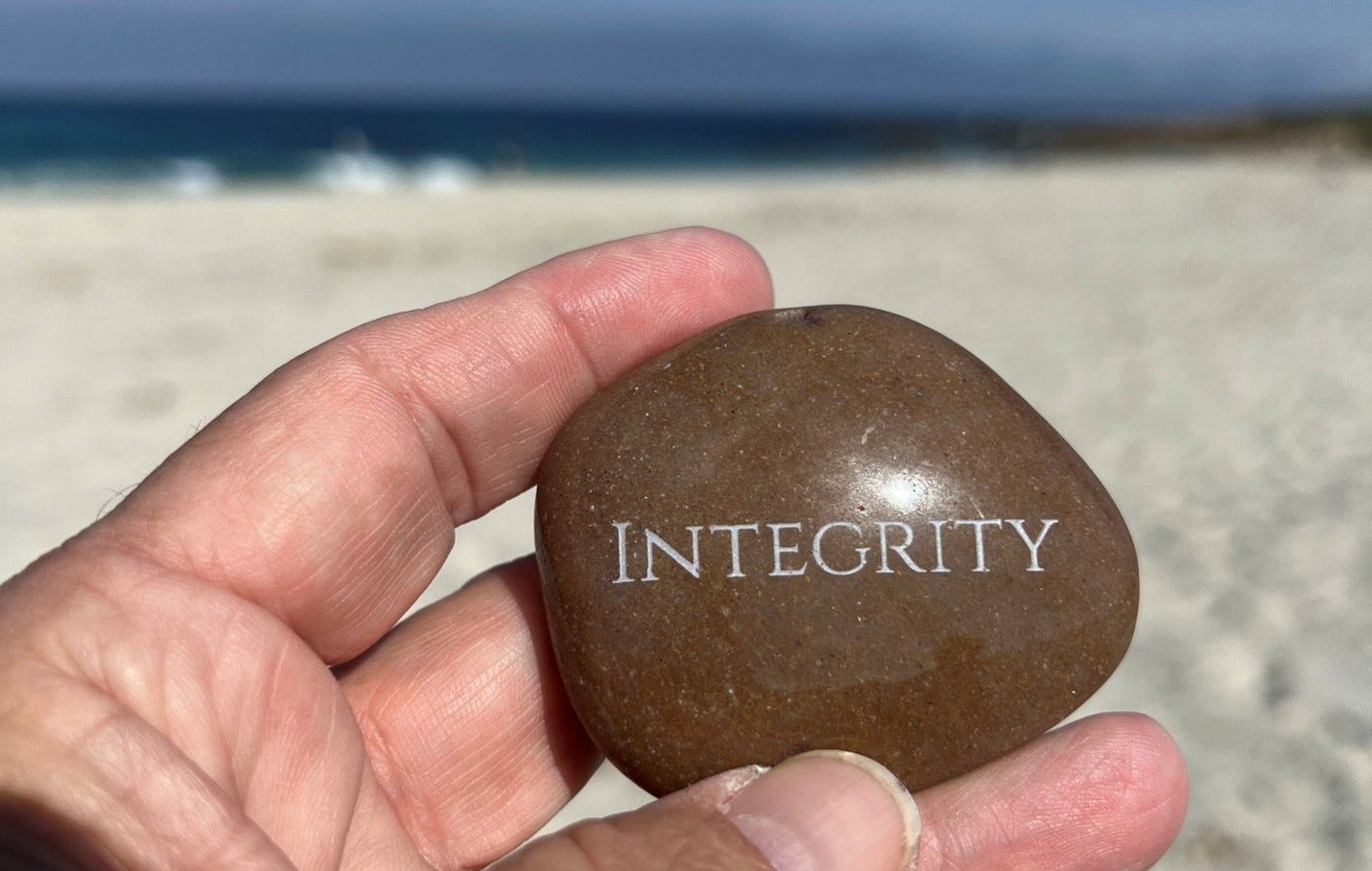
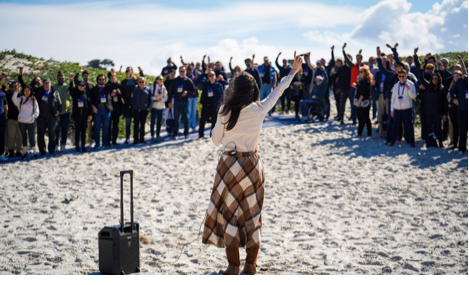
Piloting us to a perfect landing, Diana concluded with a simple, compelling ritual. We each received a stone inscribed with a word to inspire us over the coming year. Then nearly two hundred people rose and walked together to the beach. At the edge of the vast Pacific Ocean, we collectively shared our commitment out loud, to a “force greater than ourselves.”
After: The proof will be seen in the months (and years) ahead.
The impact of this Asilomar Conference, like the one in 1975, may best be appreciated in the coming decades. An initial signal of our success will be in the work each of the seven working groups completes, based on input from so many. In the first few emails after the event, it was abundantly clear that work had already begun. Many groups have a shared Google document where we can all opt in for further contact and connection. The momentum is palpable, but it will need to be fostered to achieve lasting impact: useful, usable guidelines for ethics in this crucial field of brain science.
It was a remarkable privilege to be among these exceptional individuals who were designing and debating guiding principles for the future. And, while at first I feared I might be treated like an interloper who showed up at the wrong family reunion, I was not. I was embraced for who I was and invited to share my unique gifts of communication to help this work move forward.
Talk of the week
As TED 2026 opens next week, it feels like a fitting moment to revisit Eric Nguyen’s 2025 talk. Coincidentally his work at the intersection of AI and genetics may well stand on the shoulders of the 1975 Asilomar conference. I had the privilege of coaching Eric in the final weeks of his prep, watching him shape not just the content, but the intention behind it. His talk stands on its own, but I’ve also appreciated his reflections on the journey with an honest look at what it takes to bring an idea to the TED stage: On the Red Circle: What it’s really like to give a TED talk.
JD’s Recommendations: What I’m Reading, Hearing, and Viewing
Reading: Regarding intentional gatherings, Lisa Kay Solomon’s Moments of Impact remains my go-to guide to designing meetings and conversations that matter.
Hearing: Adam Grant and Brené Brown have joined forces on a new podcast, The Curiosity Shop, explores what becomes possible when we lead with questions instead of answers.
Viewing: I’ve returned several times this week to a short Substack video that beautifully blurs the line between art and life… one of those pieces that stays with you a little longer than expected.
Have a great week, and I look forward to hearing how you use this week’s lessons to maximize the impact of your meetings.
All the best,
jds